
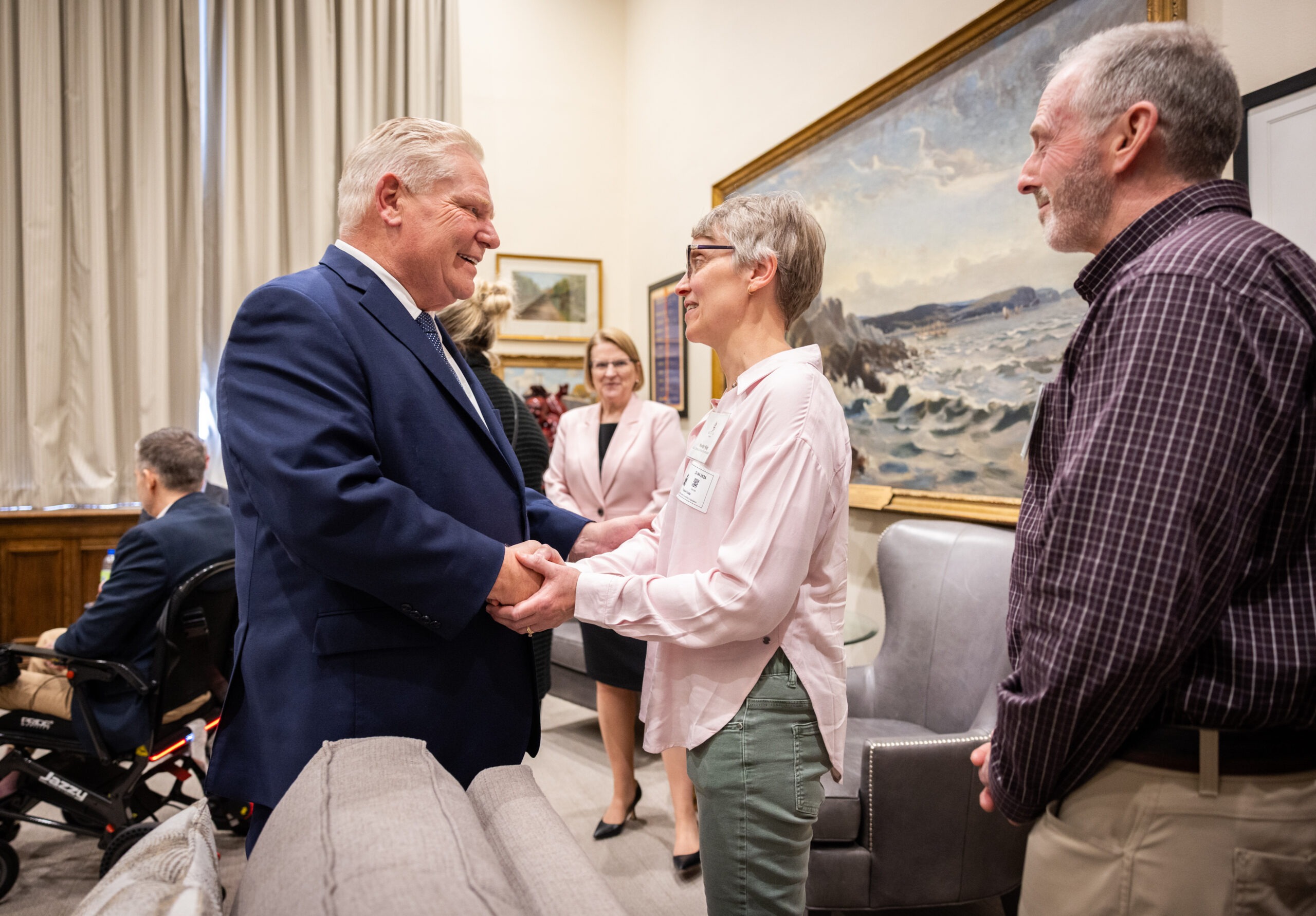
For Hayley King, advocacy isn’t about having all the answers or large gestures. It’s about showing up – consistently, honestly, and with compassion – and knowing that small, individual actions can lead to meaningful change.
Hayley’s connection to ALS and drive to support a world free of the disease is deeply personal. Her mother, Judith, was diagnosed with ALS in 2006 and sadly passed away in 2008. Her mother was one of her best friends. A great mother and grandmother, Judith was active, supportive, and creative – the type to get down on the floor to play with her grandchildren and a regular at the sewing machine for her family.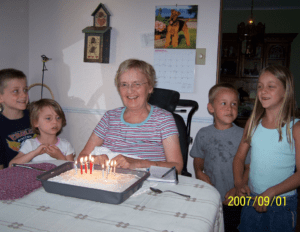
Following her diagnosis, Judith’s health steadily declined. “Every time I went to visit, which was usually every one to two weeks, I could see something else that my mom could no longer do for herself. We had to just keep accepting what was happening, and then the next day there would be something else to accept.”
Throughout this time, Hayley’s father was the primary caregiver – and as a duo, her parents showcased quiet determination and grace, “They showed that when bad things happened, you must face it. Do the best you can and keep putting one foot in front of the other. They were great role models.”
As Hayley’s family navigated her mother’s progression, ALS Canada helped by playing a critical role. Equipment loans and in home support made it possible for Judith to remain at home until the final hours of her life.
“There’s no way that would have happened without ALS Canada,” Hayley says. Being able to stay at home wasn’t just about comfort – it was rooted in dignity and connection.
Like many families affected by ALS, Hayley initially needed distance from the disease after her mother’s passing. Keeping up with ALS Canada through donations – advocacy came later, when more free time created space to re-engage in a different way. Years later following Judith’s passing, life looked different. After selling the veterinary practice she and her husband had owned for over two decades, Hayley found herself with more capacity. It was during this transition that she came across the ALS Canada Canadian ALS Learning Institute (CALI).
She knew that taking this step came with the expectation of staying involved: “I applied knowing that if I was accepted, I was agreeing to do my part.” With the knowledge and resources the CALI provided, Hayley participated in letter-writing campaigns, attended ALS Canada’s Queen’s Park day, and met with elected officials. One meeting with her local MPP stood out, when she was able to explain how provincial funding for ALS equipment translated directly into support in people’s homes.
That connection – between policy and lived experience – mattered and helped bridge the gap in how elected officials who may not have direct experience with the disease understood its impacts. Hayley understands that statistics alone don’t always resonate. Stories do.
For her, advocacy has two equally important pillars. Research is essential and fuels hope for a world free of ALS. But advocacy must also work towards supporting people living with ALS now. “Those individuals may never benefit from a breakthrough,” she says. “They still need support today.”
Hayley is quick to point out that advocacy doesn’t require a specific skill set. She knows that she isn’t a fundraiser or door knocker – and that’s okay. Advocacy is about doing what you can, whether that’s writing a letter, attending a meeting, or learning how decisions are made.
“There’s power in numbers. No act is too small.”
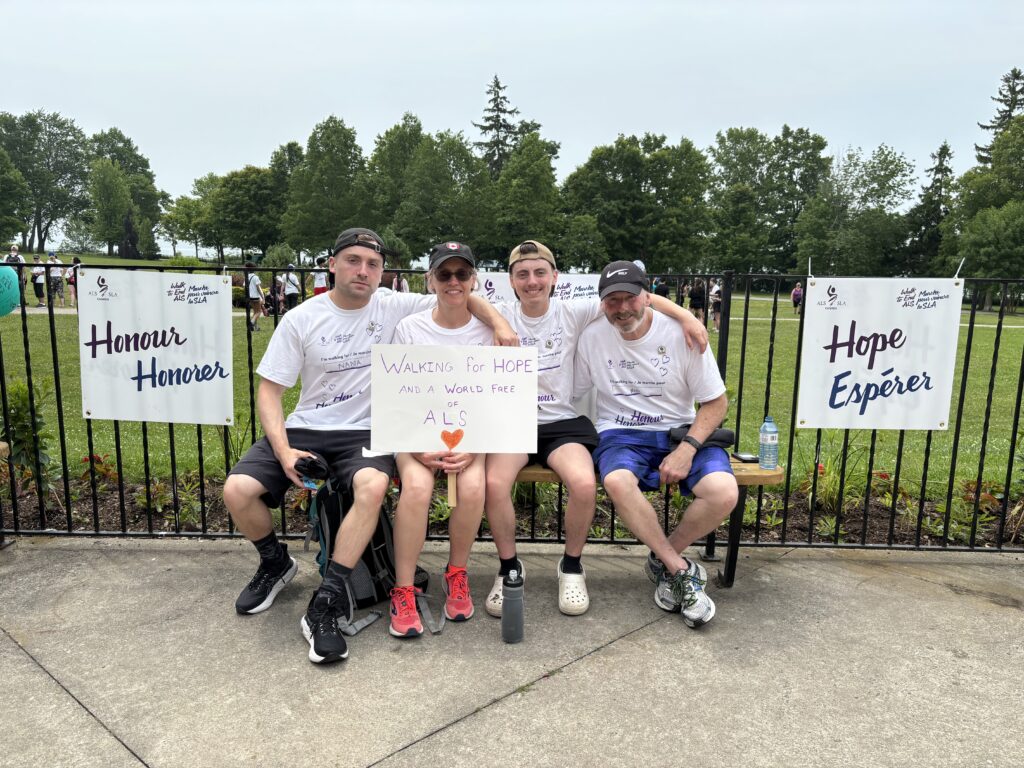 As a veterinarian, Hayley spent her career advocating for those who cannot speak for themselves. ALS advocacy feels like a natural extension of that work – another way to ensure others’ needs are heard and to stand up for what matters. Her message to anyone considering advocacy is simple: you have nothing to lose. You don’t need to be perfect. You just need to care – and be willing to take action.