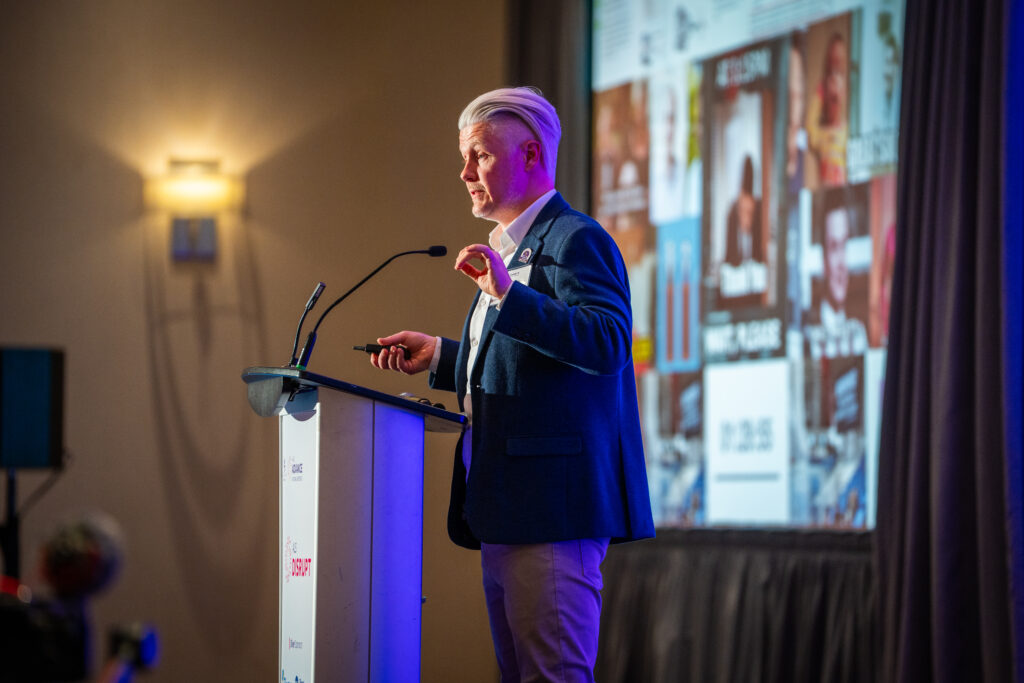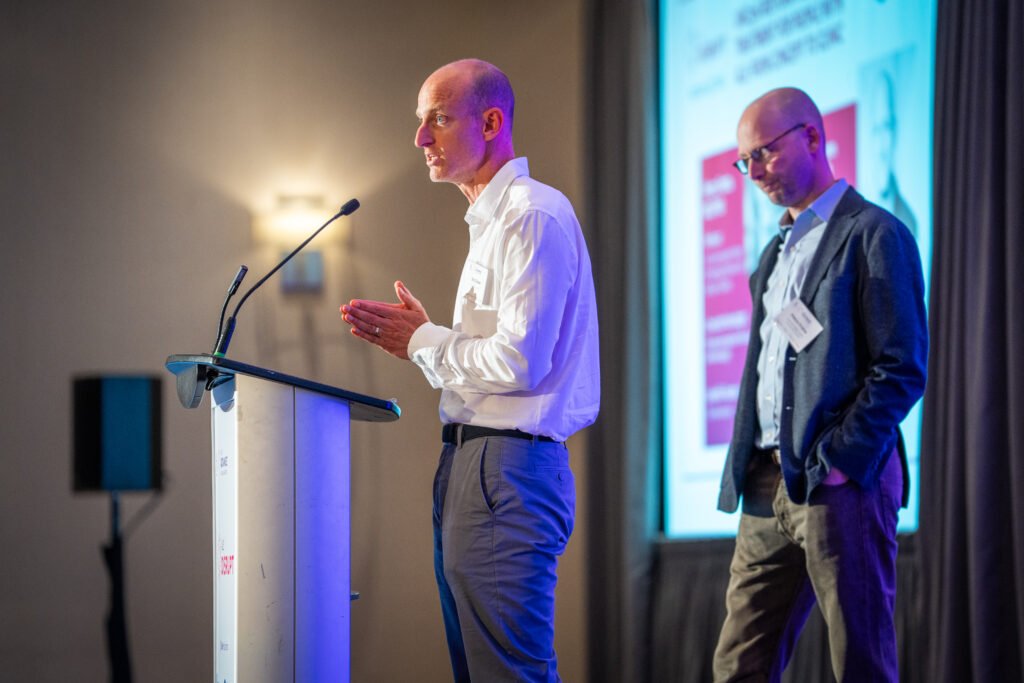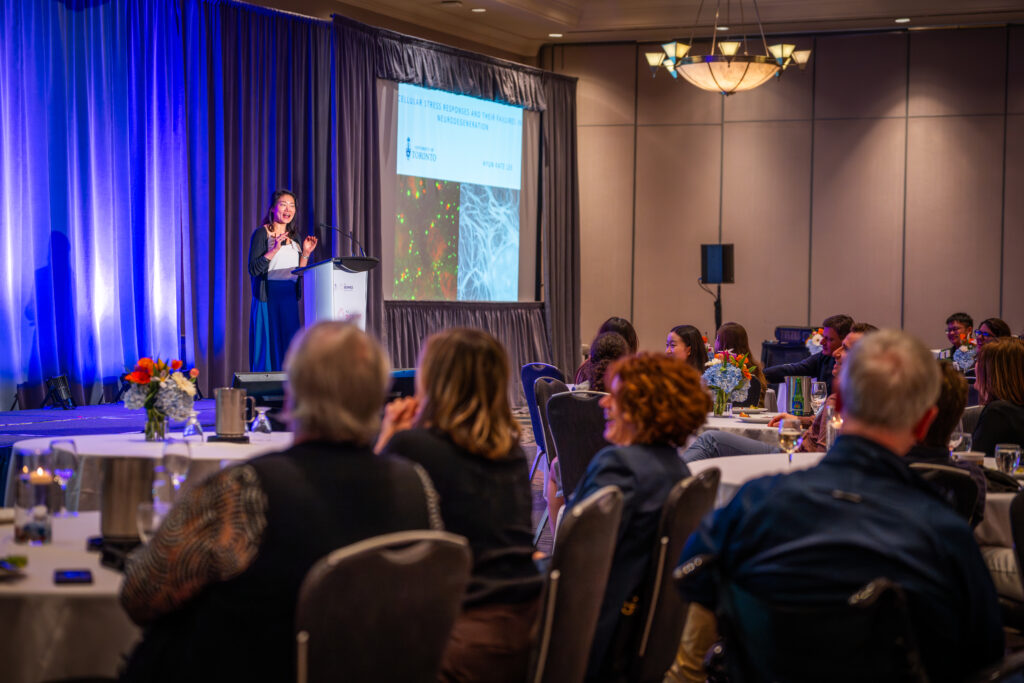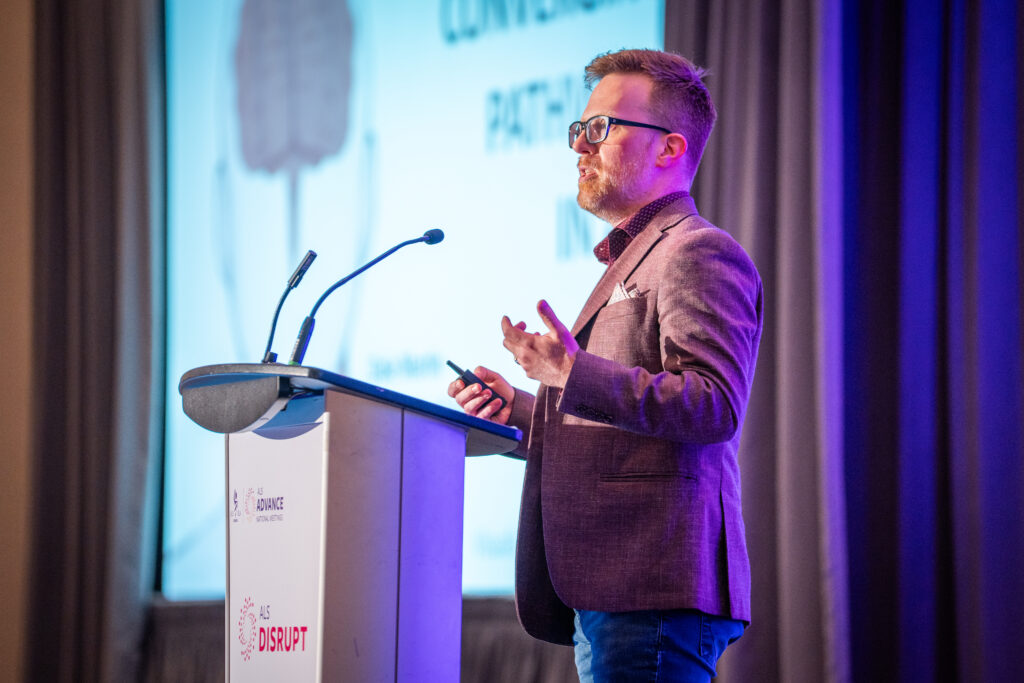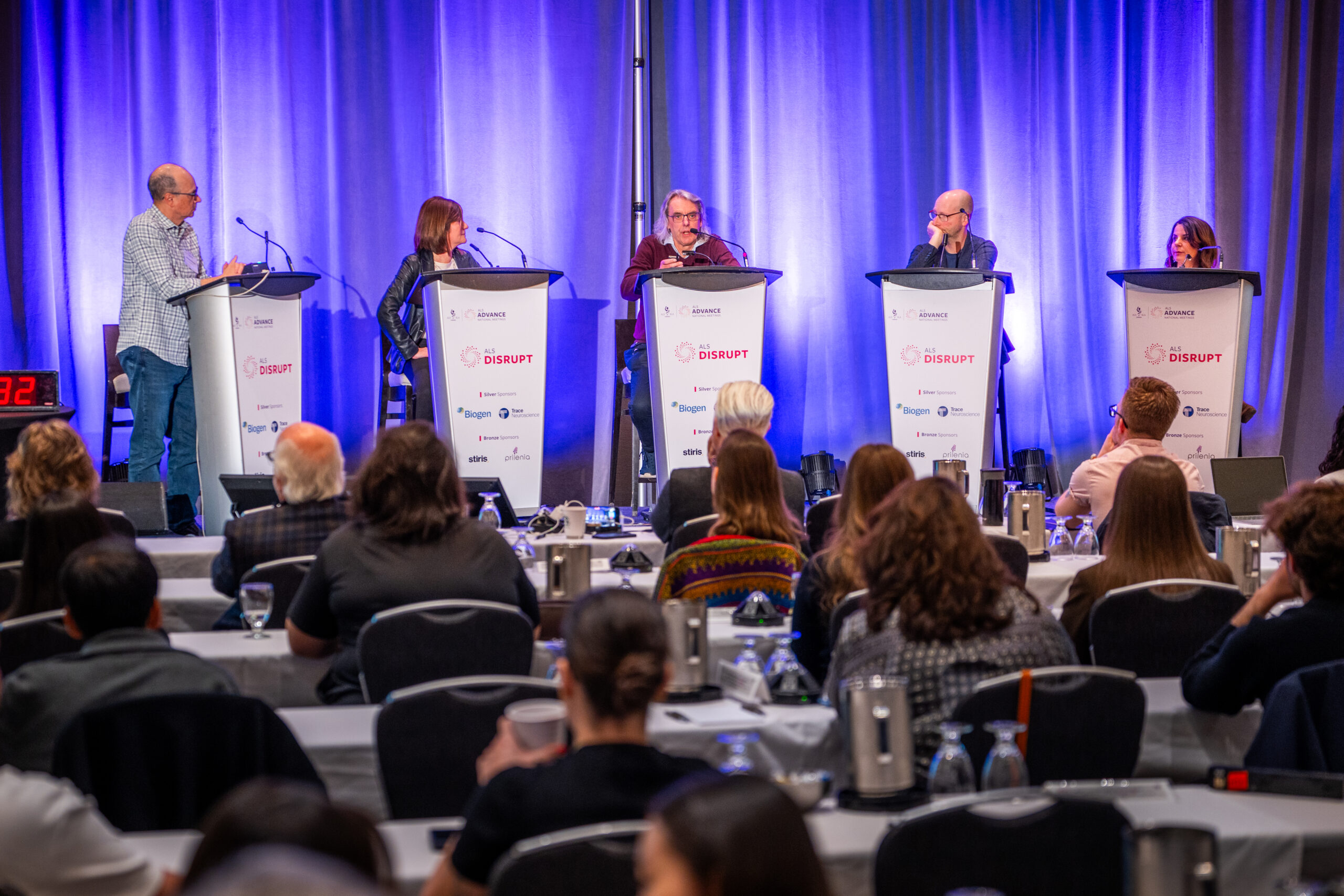
Finally, a meeting dedicated to doing in public what we already all do in private: full and frank debate of the most important issues in the field.

Attendee feedback

To achieve meaningful progress for the ALS community, it isn’t just the science that needs to advance: it’s also the critical conversations that shape the field. Too often, the most important and honest discussions — about emerging therapeutics, what ideas should move forward, and which directions we should or should not be heading as a field — happen in passing between conference sessions, networking breaks, or after hours, and often remain confined to small groups. While science is built on diverse perspectives, there are still too few spaces where leaders can come together to openly challenge each other and refine ideas. 

As part of our commitment to advancing ALS research, we are constantly asking how we can better support researchers to drive faster, real-world impact, and how we can elevate the urgency of the community. Creating space for open, honest dialogue has been a priority for us for some time. Fortunately, at ALS Canada, we have a history of bringing people together.  

This is why, on April 25–26, 2026, we held the inaugural ALS Disrupt in Toronto as part of the ALS Advance: National Meetings. 

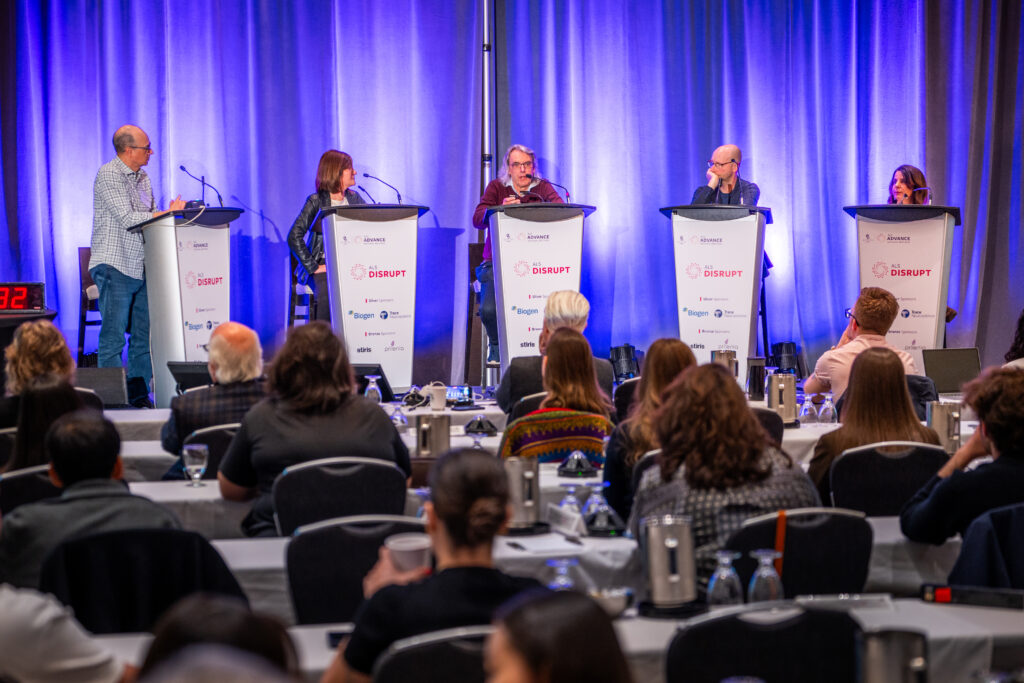
True to its name, the event was designed to challenge conventional thinking and bring critical debate into the open. Designed to move beyond scientific presentations, the meeting created space for candid, bold conversations where Canadian and international leaders could openly examine both progress and persistent challenges in ALS research. Some discussions were highly technical, others deeply human, but all were grounded in a shared goal: how to improve our collaborative work to get to the right answers, faster.   

Importantly, this was the first ALS Canada-hosted meeting to bring together such a strong international presence, with global leaders in their respective research areas. 
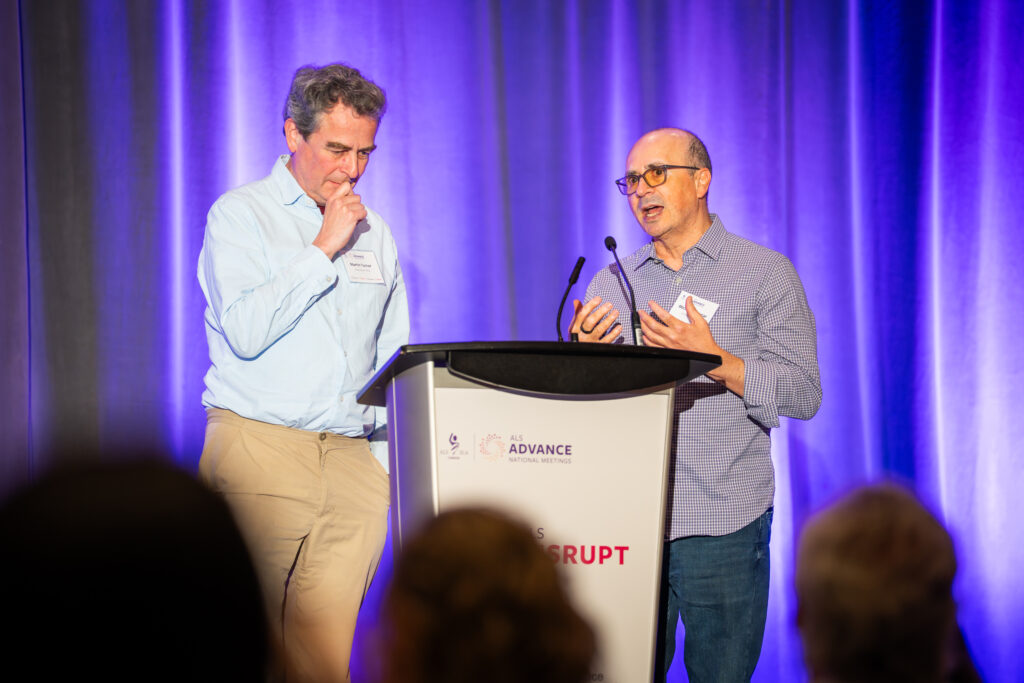
Starting with a networking dinner on April 25, the event opened with a plenary lecture from Dr. Pietro Fratta and Dr. Eric Green, who shared insights into Trace Neuroscience’s upcoming clinical trial, which will host Canadian sites. The trial will be testing a new therapy designed to restore a key protein (UNC13A) needed for communication between nerves and muscles, which is disrupted when another important protein, TDP-43, behaves abnormally, a change seen in about 97% of ALS cases. 

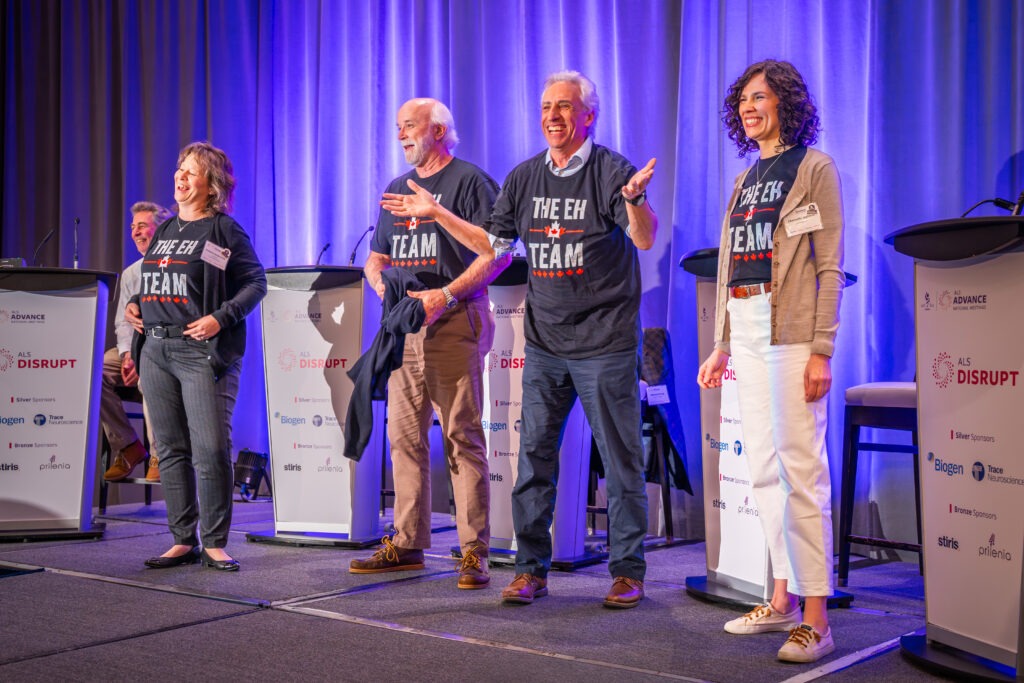
The evening also created space to highlight and connect Canadian researchers through an Elbows Up! session, an opportunity to share their work, spark new collaborations, and position Canadian-led efforts within a global context.  

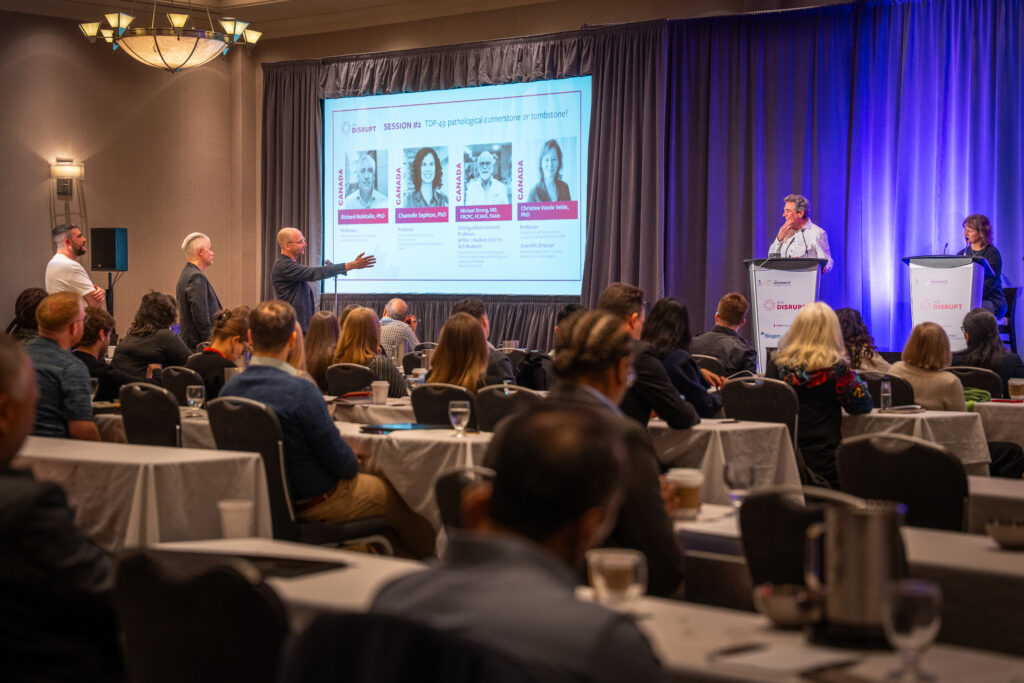
On Sunday, April 26, each session of the day began with brief opening perspectives from panelists providing their insights on the topic and the current state of the field. After these initial remarks, the session transitioned into a moderated, interactive discussion and debate, encouraging diverse viewpoints and real-time problem-solving. Themes discussed were:  

Session 1 | What is the minimum preclinical evidence to prioritize a drug for therapeutic evaluation? 

Session 2 | TDP-43: pathological cornerstone or tombstone? 

Session 3 | On what should we base decisions about which drugs to move from Phase 2 to 3? 

Session 4 | What areas of dogma in ALS research should we be discussing more constructively? 

Across the sessions, discussions challenged how ALS research is conducted: from what evidence is needed to move potential treatments forward to how clinical decisions are made, and which long-held assumptions may be holding the field back. Participants spoke candidly about the limits of current disease models, the risks of relying on single “promising” signals in small studies, and the difficulty of translating promising biology into successful clinical trials.  

One of the main takeaways was emphasizing how complex ALS is, and how progress will require more than repeating familiar approaches. As a field, we need to learn more systematically from both positive and negative results. 

To read more about the discussions in detail, you can read our 2026 ALS Disrupt: Community Report.  

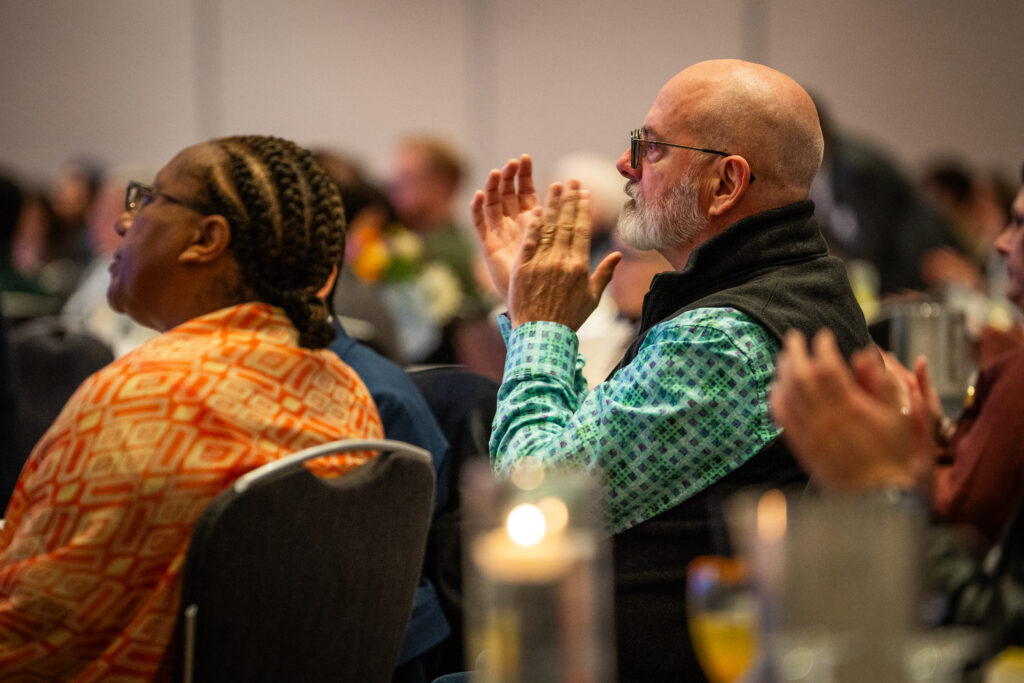
“Bringing together researchers and advocates who are not afraid of bringing forth new ideas about ALS was a revelation,” shared an ALS Disrupt attendee. “It is this openness that will someday conquer this disease!” 

At the end of the day, what we heard most clearly was: even more disruption is needed. And this will lead us on a faster path to a world free of ALS. 

We know that progress in ALS research does not happen overnight, and we understand how difficult that reality can be for people facing this disease day to day. The urgency is real, and so is the frustration when meaningful advances take time. For our team, this only strengthens our commitment. Together, we believe we can collectively tackle the complex challenges that stand in the way of progress toward new treatments. More disruption will come.  

Support the cause

You can make a difference.

Donations provide crucial services and information to people living with ALS and allow us to invest in research and advocacy dedicated to improving quality of life.