Thank you for investing in the next generation of ALS researchers and for creating a space where early career scientists are not only welcomed but truly given a seat at the table. Opportunities like this help shape the future of ALS research.

Attendee feedback

At ALS Canada, our team has a deep commitment to not only fund research, but to invest in the people behind it. Supporting early career researchers (ECRs) is an important part of building the future of research, ensuring that the next generation of ALS leaders are equipped, connected, and supported to carry this work forward.  

More importantly, while some researchers come with personal connections to ALS, others may not yet have had the opportunity to meet someone affected by the disease. Creating space for these connections is essential to grounding their work.  

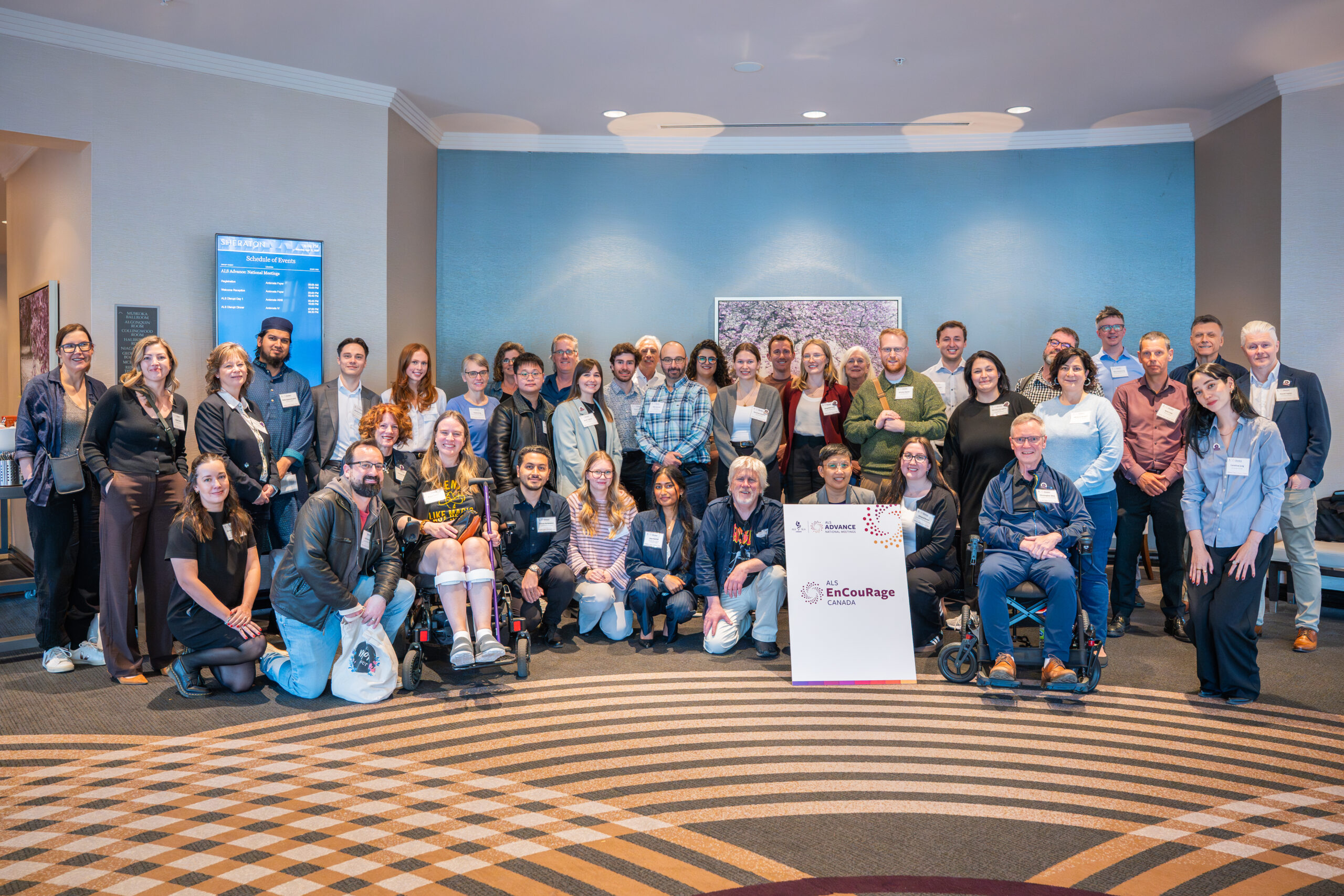
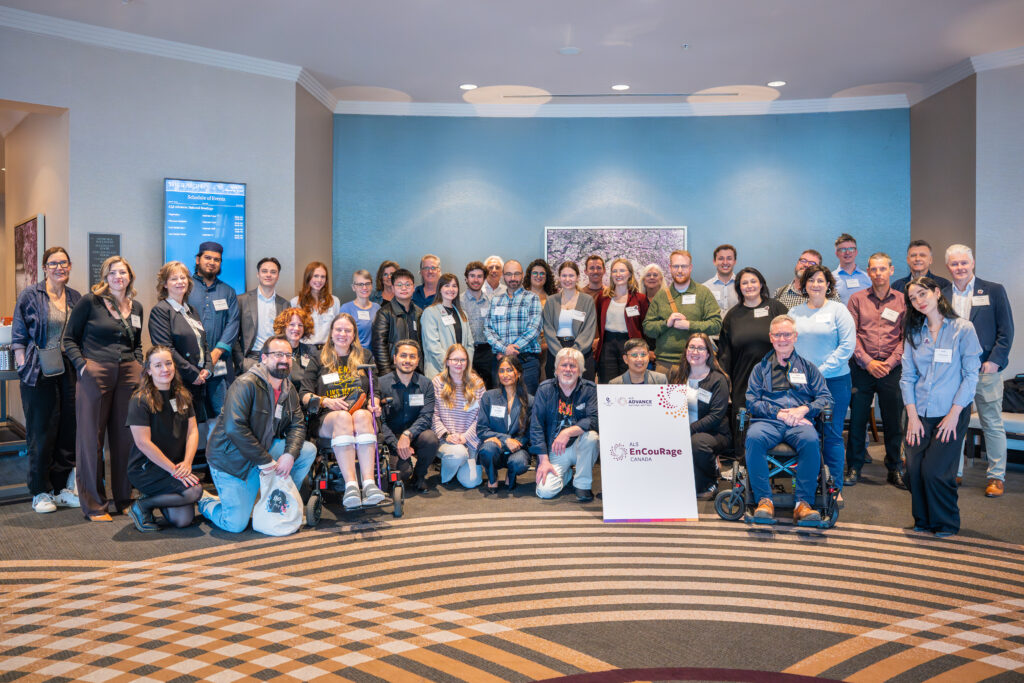
That’s why, on April 24-25, 2026, we held the inaugural ALS EnCouRage Canada, supporting earlycareer ALS researchers while strengthening connections between research and lived experience. Adapted from MND EnCouRage UK, the program emphasized mentorship, communication, and community, tailored to the Canadian context. 

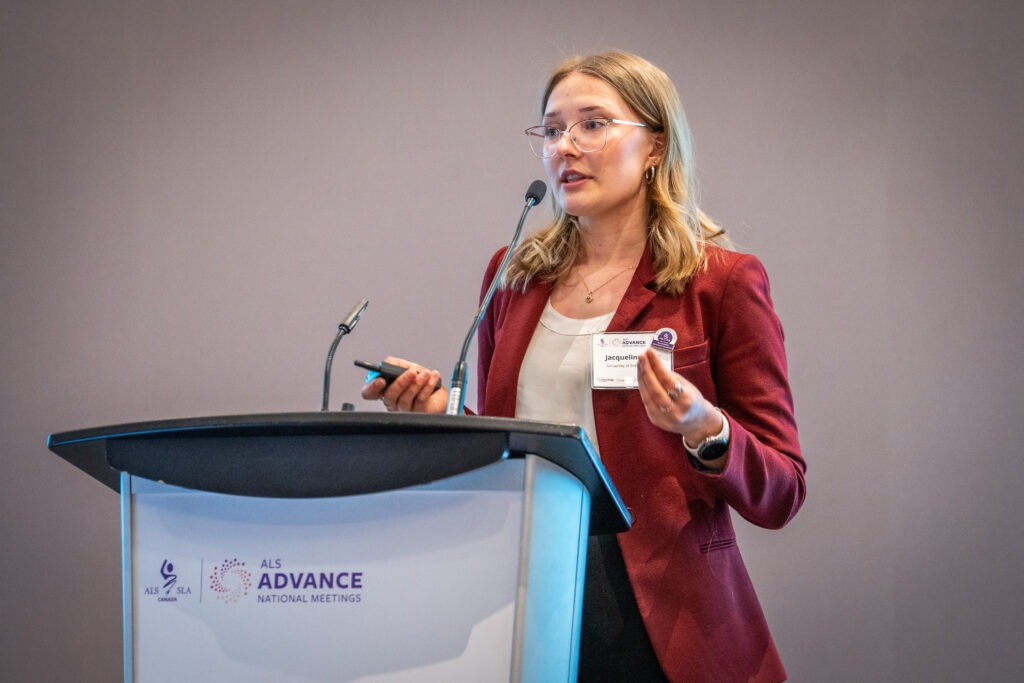
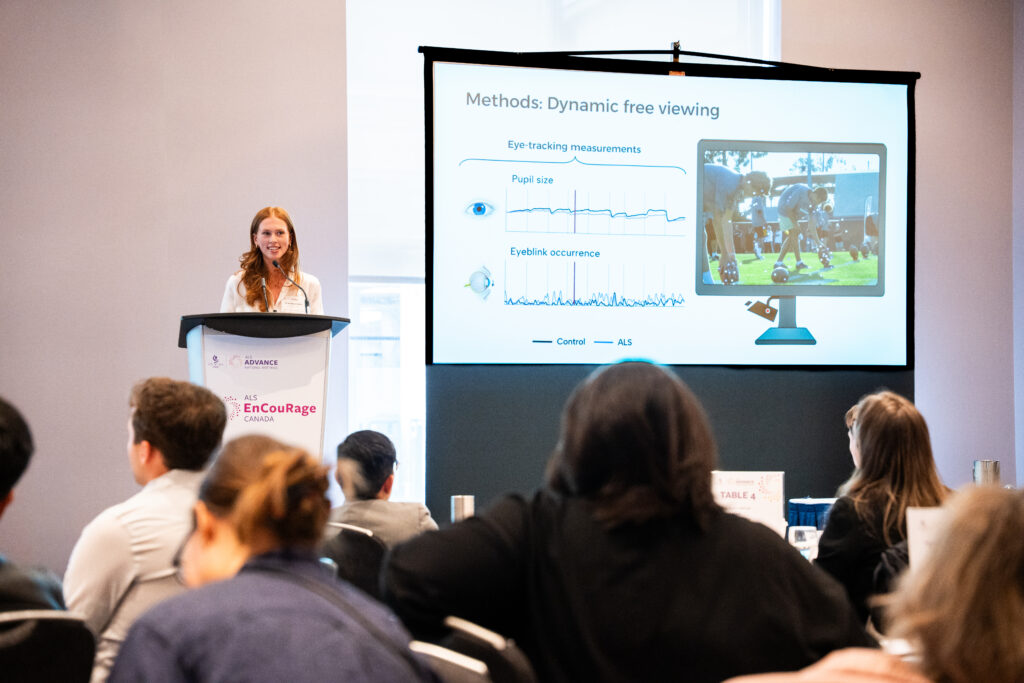
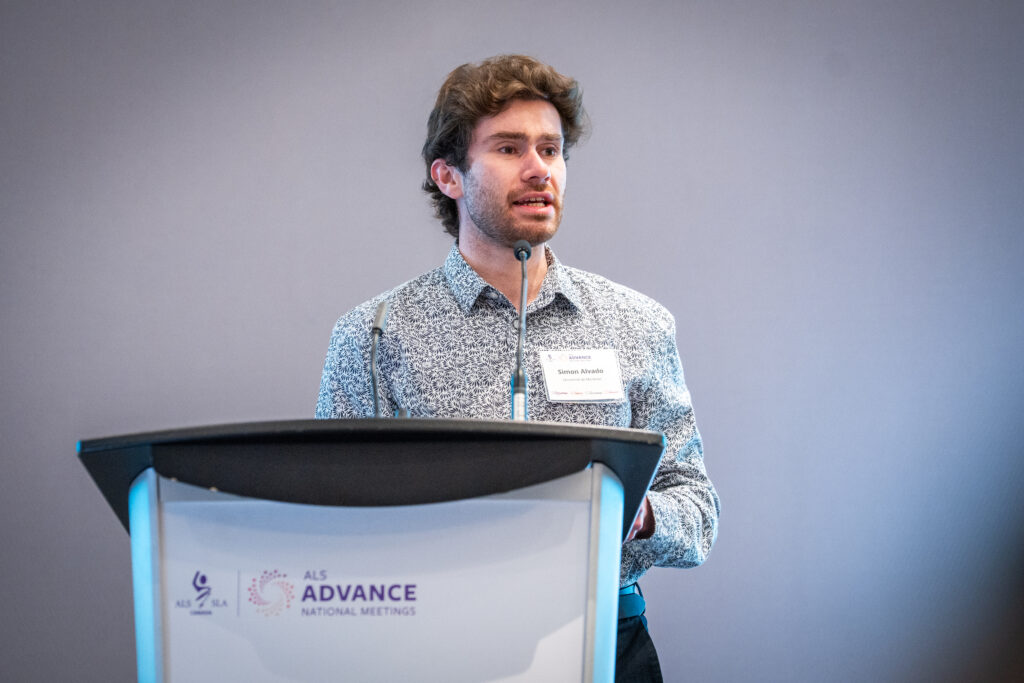
Day one of the event focused on skillbuilding. Earlycareer researchers delivered short, laylevel presentations about their work and received constructive feedback to help them communicate their research more clearly. Feedback was not only about making presentations easier to understand, but it also explored how to anchor research in real-world experiences and relevance. 

Through additional workshops and mentorship discussions, participants strengthened their communication skills, built new relationships, and learned from more experienced researchers. Experts in the room included ALS researchers from around the country, and we were also pleased to welcome Dr. Nick Cole, Head of Research at the MND Association in the United Kingdom.  

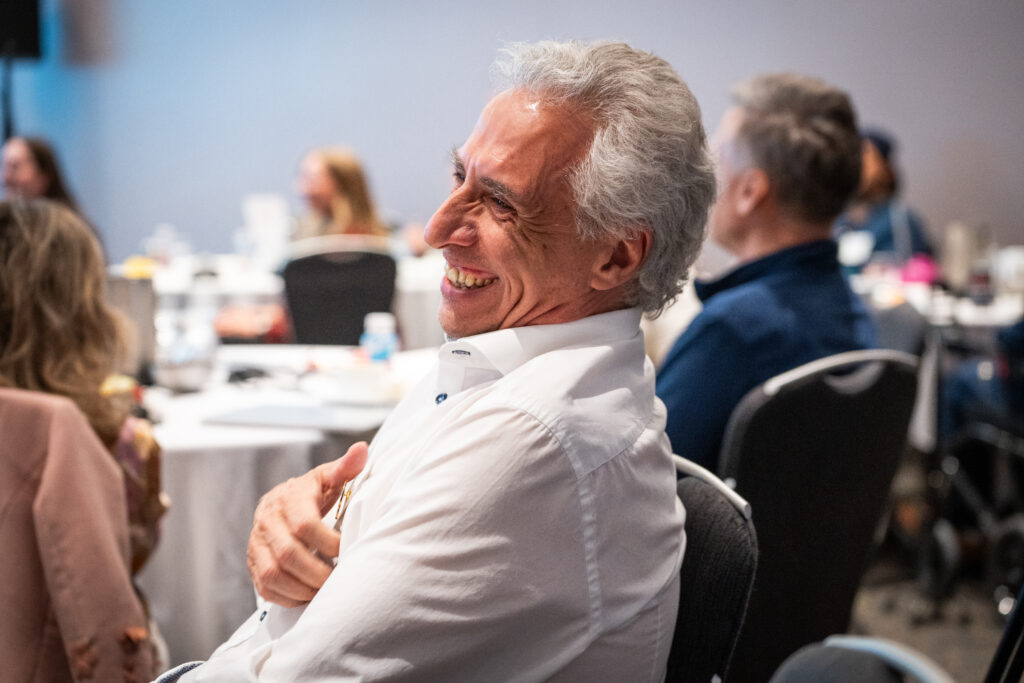
Day two centred on connection. By welcoming people living with and affected by ALS into the room, conversations were grounded in lived experience, reminding everyone why research matters. By sharing refined versions of their talks with the community, ECRs not only spoke about their work but also built meaningful connections with those most affected by ALS.  

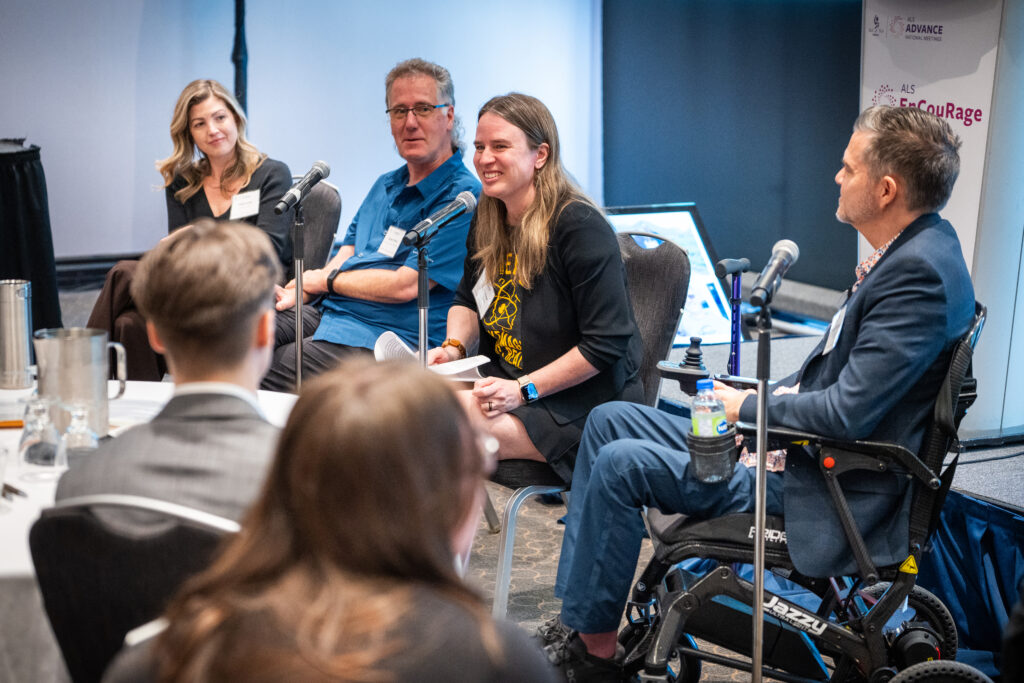
One of the most valuable parts of the day was a panel featuring people affected by ALS, who shared their voices, stories, and lived experiences navigating research. The panel was moderated by Kelsie Snow, Project Manager of the Alberta ALS Research Network and an ALS Canada Community Ambassador, who lost her husband Chris to ALS in 2023. We are grateful to fellow Community Ambassadors (each of whom living with ALS or PLS), Shawn Penno (British Columbia), Angie Leroux (Ontario), and Jason Ritchie (Ontario) — who also serves as an ALS Canada Board member — for generously sharing their voices and lived experiences during the panel.  

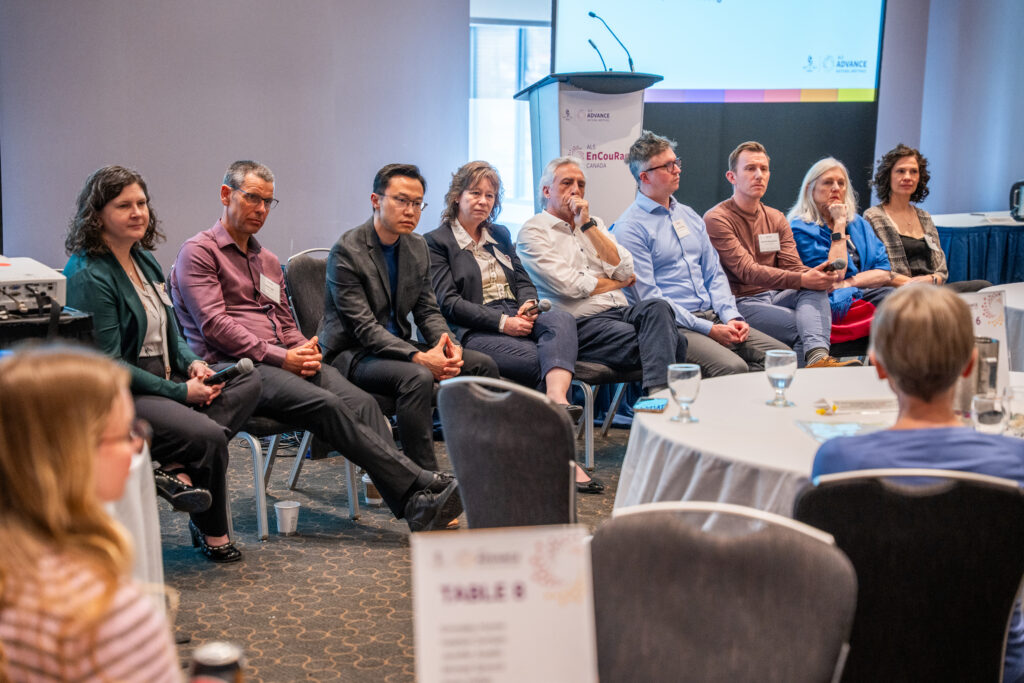
Attendees also heard from a panel of leading Canadian ALS experts, who reflected on research advancements, opportunities to improve clinical trials, and the moments that stay with them, like meeting people affected by ALS who fundamentally shaped their understanding of the disease. 

“I struggle to fully express how grateful I am to ALS Canada for the opportunity to attend ALS EnCouRage,” shared a participant. “It sparked a new light in me. I leave feeling inspired, truly welcomed, and with a strong sense of belonging in the ALS research community. Thank you for everything.” 

ALS EnCouRage Canada was designed not only to build skills, but to foster a sense of belonging, reinforcing earlycareer researchers as a vital part of a supportive, passionate community working together toward a world free of ALS. The energy, openness, and engagement felt over the two days reflected the power of bringing research and community together in meaningful ways. ALS Canada will continue to grow this initiative through future events and ongoing investment in Canadian researchers. 

Support the cause

You can make a difference.

Donations provide crucial services and information to people living with ALS and allow us to invest in research and advocacy dedicated to improving quality of life.