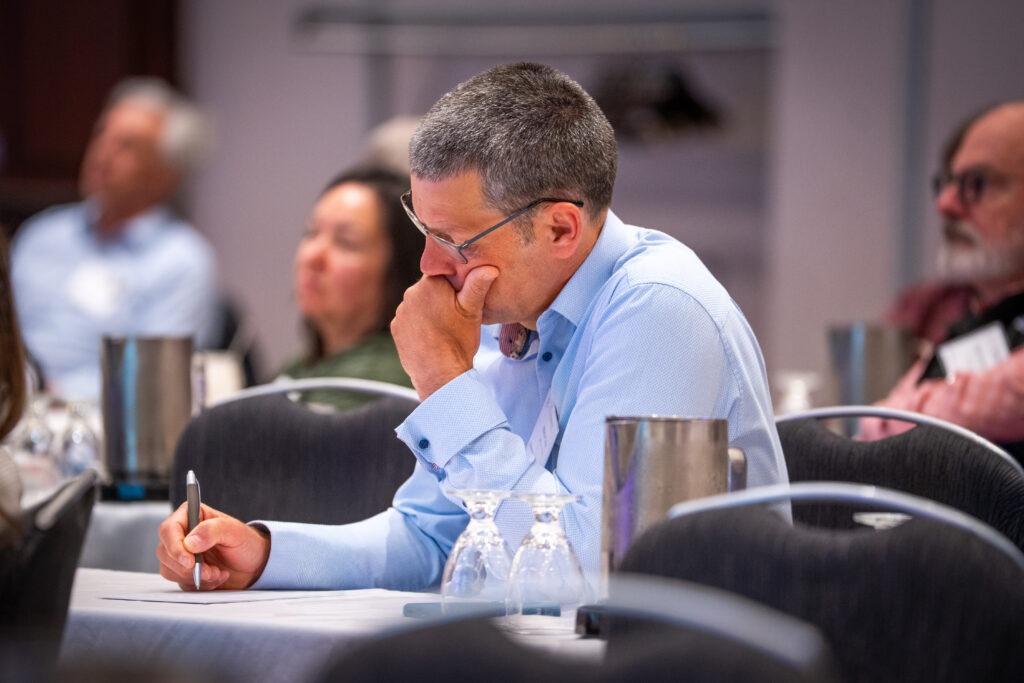
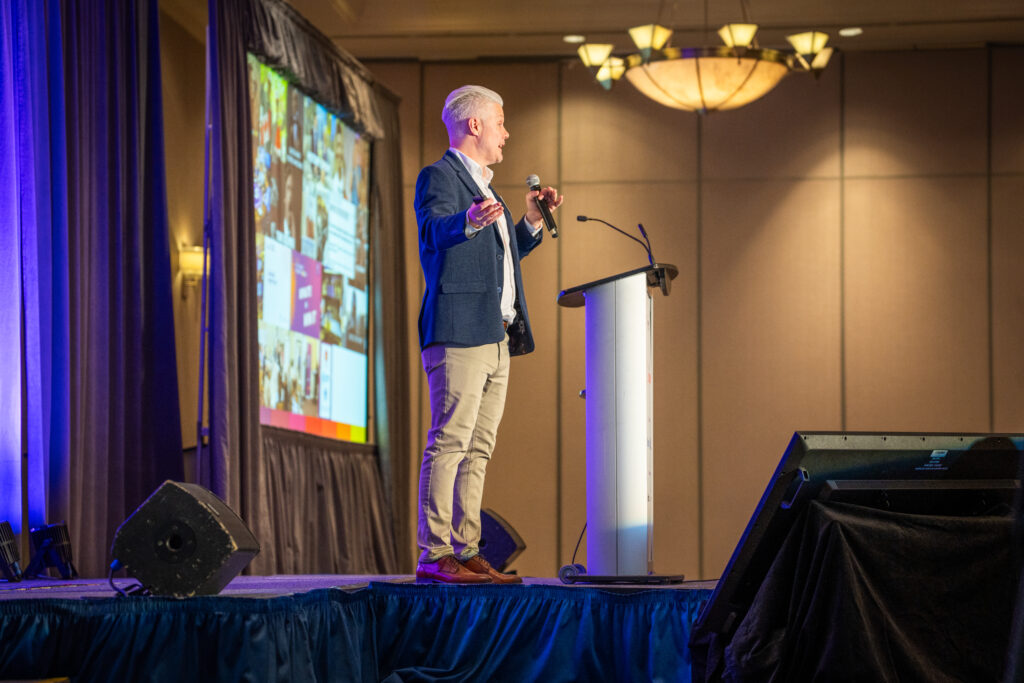
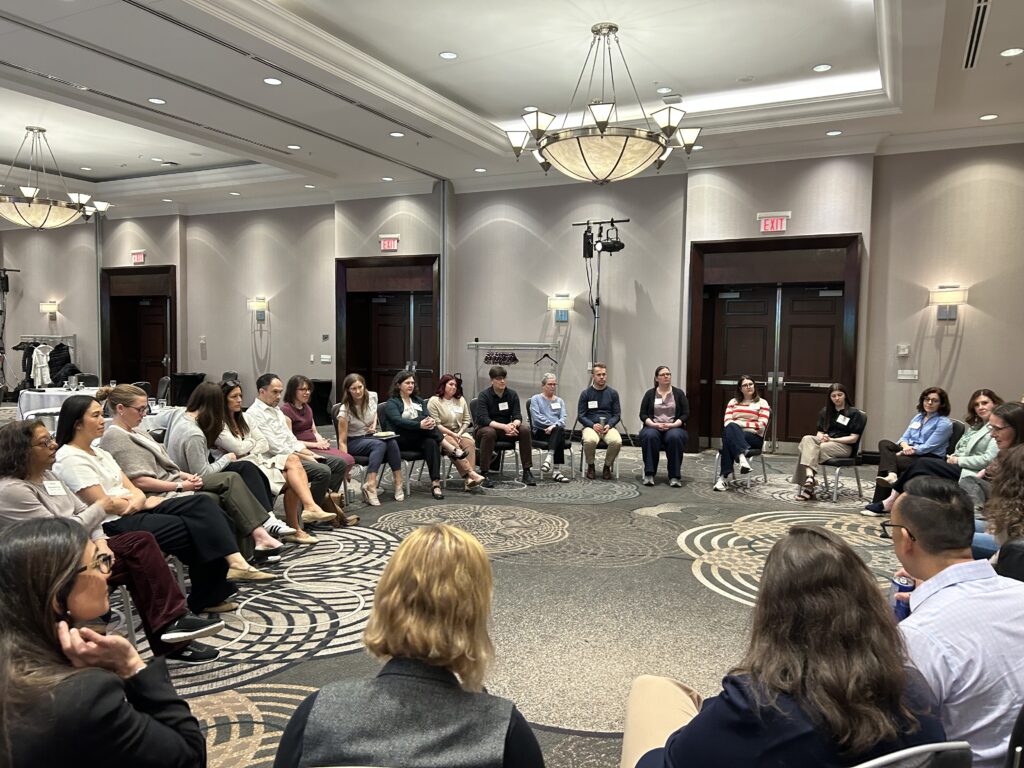
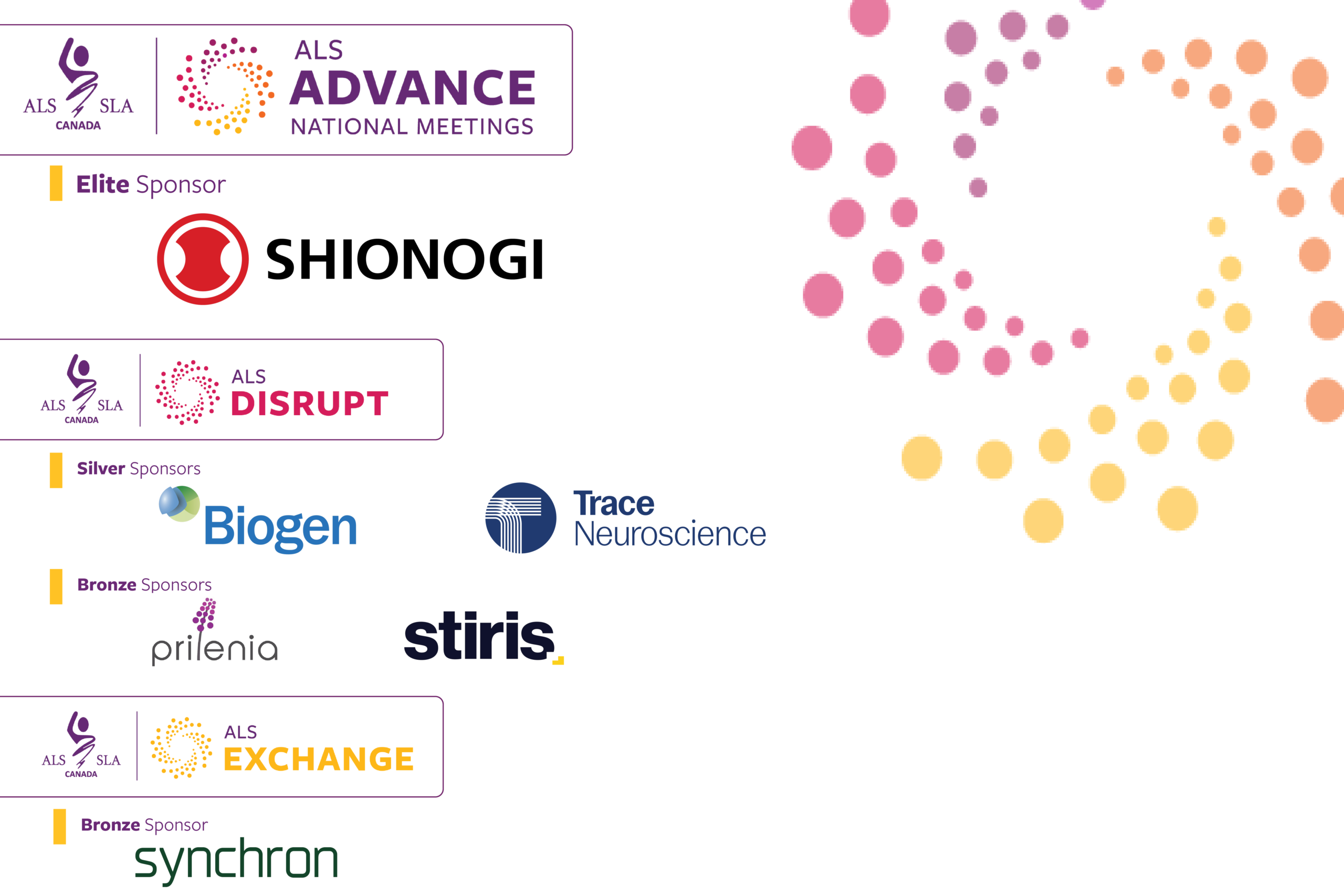
In its inaugural year, ALS Advance brought together researchers, clinicians, people with lived experience, and partners from across the ALS community. It provided a chance to pause, listen, and think critically about how research can better serve people affected by ALS. So how did these meetings even come to be, and what are they all about?
It was time for a change. More intentionally, a disruption.
For more than 20 years, ALS Canada held the annual ALS Canada Research Forum, a valuable space for sharing scientific work. But like international ALS meetings, many of the most important conversations were happening between sessions, during networking breaks, and after scientific talks. Research is inherently shaped by diverse perspectives, expertise, and clinical realities, along with areas of uncertainty and disagreement, yet these conversations were rarely brought onto the stage.
At the same time, we recognized that one of the strengths of the Research Forum was the engagement of early-career researchers (ECRs), while one of the gaps was the failure to include allied health professionals, working on the front lines to provide optimal care for people affected by ALS. These reflections led us to ask a fundamental question: how can we disrupt our approach while reinforcing key areas of research and care in a way that connects to the ALS community?
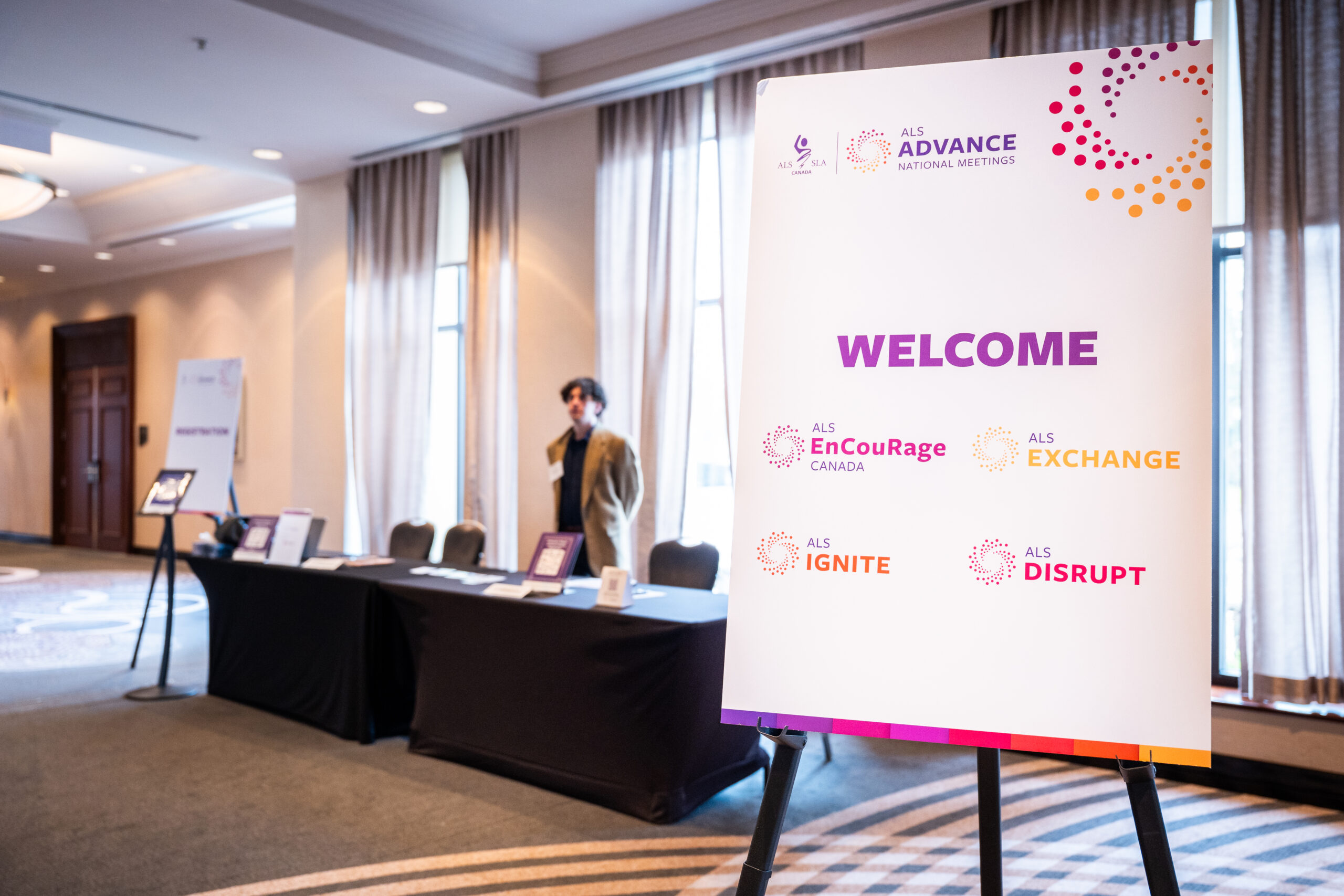
That’s where the idea for ALS Advance: National Meetings began to grow. With the innovative ALS Disrupt at its heart, we combined four distinct events aimed at fostering different parts of the ALS ecosystem. By creating this change, we aimed to Ignite connection, Exchange best practices for quality care, EnCouRage the next generation of ALS researchers, and Disrupt the status quo of ALS research.
In addition to the annual meetings of our Scientific and Medical Advisory Committee (SMAC), which focused on ALS Canada’s research funding priorities, and the Canadian ALS Research Network (CALS), which addressed care and clinical practice across the country, ALS Advance included:
April 24 – 25, 2026
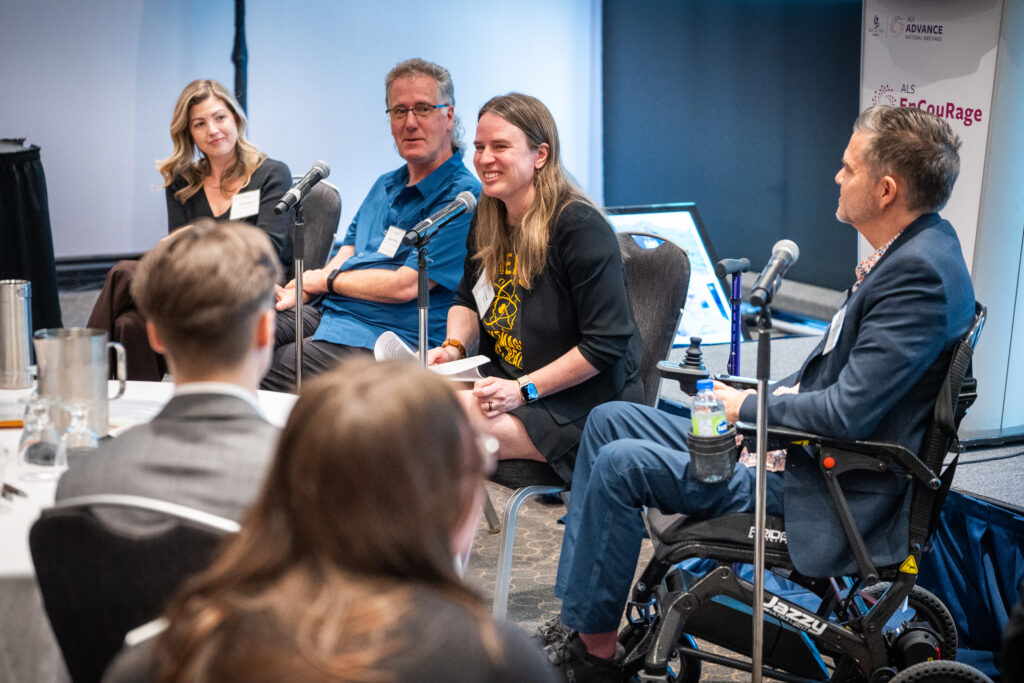
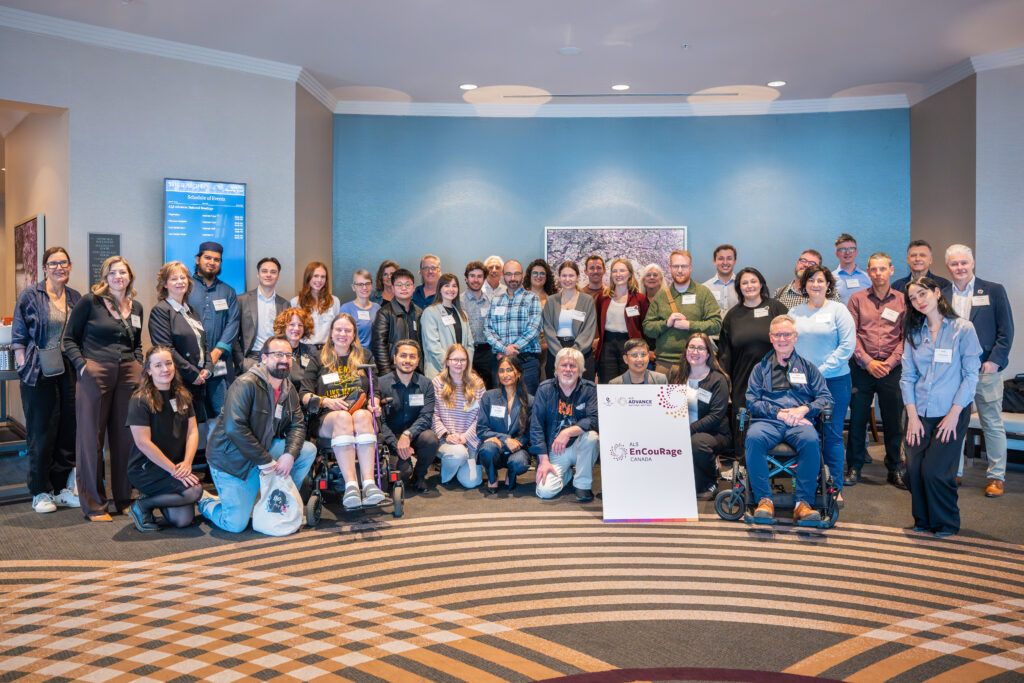
ALS EnCouRage Canada focused on supporting early career researchers (ECRs) to foster a sense of belonging, reinforcing that they are part of a supportive and passionate community working together toward a world free of ALS.
Adapted from MND EnCouRage UK, the program was thoughtfully tailored to the Canadian context, with a strong focus on mentorship, communication training, and meaningful dialogue with people affected by ALS, helping participants build presentation skills and lasting connections. The two‑day format began with short, lay level presentations from 16 ECRs, supported by constructive feedback and workshopping, and concluded with a day that welcomed the ALS community for interactive activities, refined presentations, and a lived experience panel.
April 24, 2026
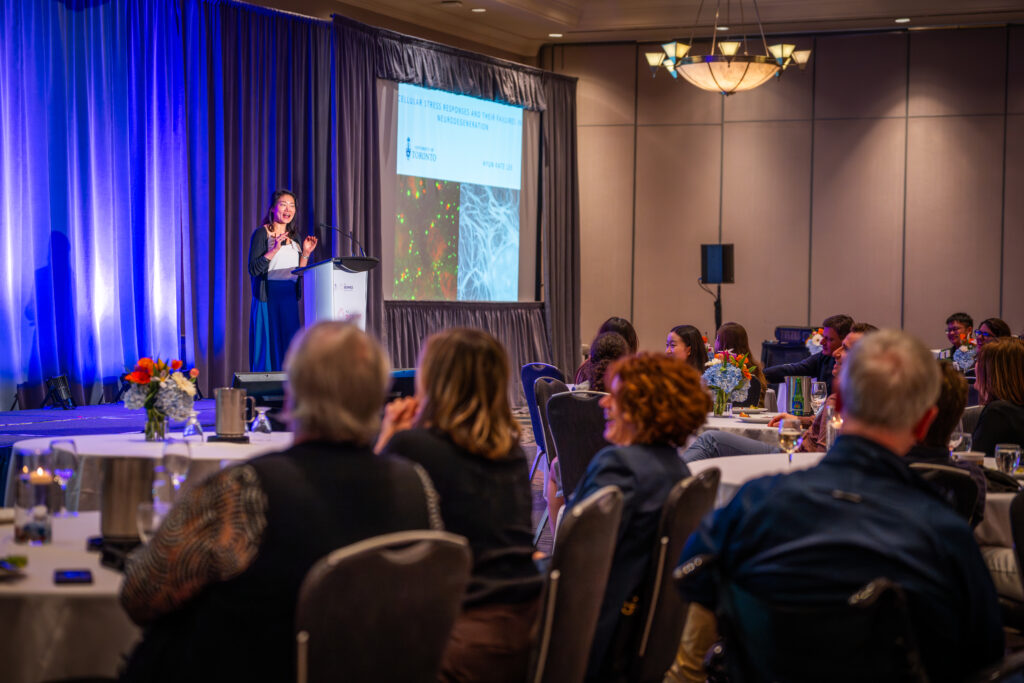
ALS Ignite was a cross-community dinner that brought people together for open conversation and meaningful connection. By sharing the personal “why” behind their work, participants were encouraged to build relationships and strengthen a shared sense of purpose across the ALS community.
April 25, 2026
ALS Exchange brought clinicians and allied health professionals together to share practical tools, learn from one another, and improve coordinated, person‑centred care across Canada.
Agenda highlights included a deeper dive into Frontotemporal Dementia (FTD) and ALS, guidance for navigating sensitive family conversations, updates on genetics and genetic counselling in ALS care, and a whole-person communication workshop that treats presence and human connection as core clinical skills.
April 25 – 25, 2026
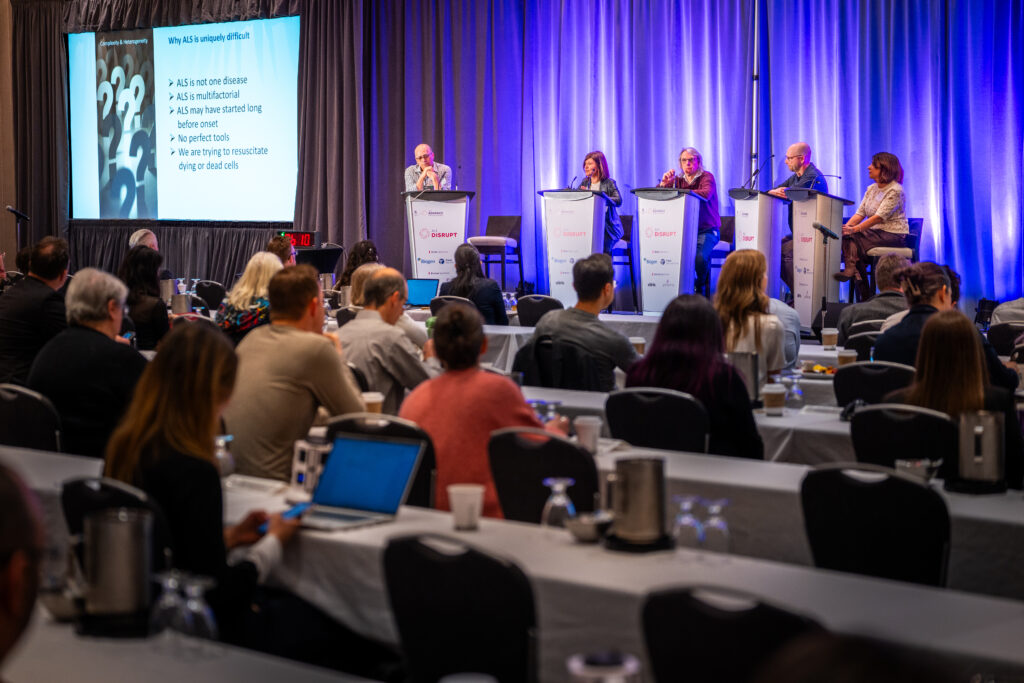
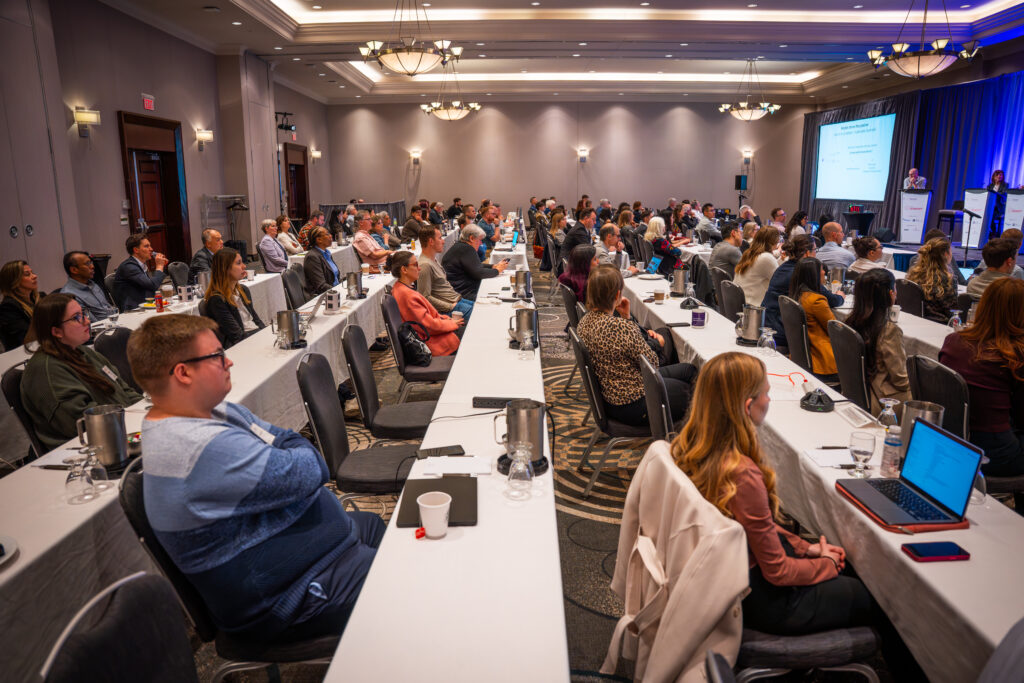
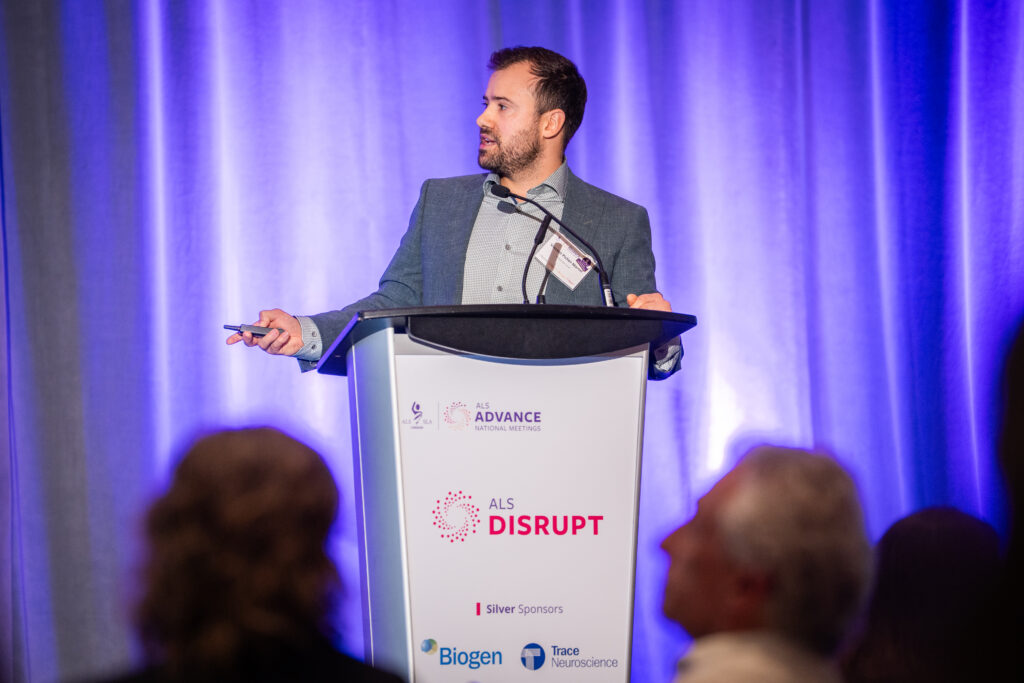
The weekend concluded with ALS Disrupt, an open and candid meeting where researchers, clinicians, and industry members challenged long-held assumptions about how ALS research and clinical trials are conducted. In addition to insights from Canadian experts, the meeting also brought together leading voices from across Europe and the U.S.
Conversations tackled persistent bottlenecks in the field, including what counts as enough preclinical evidence to move a potential therapy forward, how to interpret and prioritize TDP‑43 biology, what should truly guide Phase 2 to 3 clinical trial decisions, and which areas of ALS research need more constructive debate. The goal was to strengthen how the field thinks, not just what it studies, so collaboration and better decision‑making can help get to the right answers faster.
The reflections from ALS Disrupt will not stay in the meeting room. Not only will they be carried forward into future planning, research funding considerations, and continued dialogue with researchers and the ALS community, but there will be more fulsome 2026 ALS Disrupt Community Report, reporting discussions points at the lay level. Stay tuned!